BioLNG Solutions
From biogas to transportable fuel, with BioLNG systems
BioLNG Systems
Upgrade your gas to biomethane, liquefy it, and deliver it to the point of use. Let’s plan gas treatment, liquefaction, and filling infrastructure together.
We define the scope of the BioLNG project by evaluating your existing plant production, energy demand, and potential product offtaker within the same feasibility study.

Power Generation and Liquefaction
Your biogas plant may already have digesters, feedstock supply, and gas production in place. A BioLNG project evaluates whether this gas can create a different product and sales route.
Especially for plants where YEKDEM support has ended or electricity sales conditions have changed, the economic value of existing electricity and heat use should be compared with biomethane or BioLNG production. The decision should not be based solely on the fuel sales price.

Items compared in the feasibility study
Existing operation
Electricity revenue, useful heat, gas production, and operating costs.
BioLNG option
Gas treatment and liquefaction investment, energy consumption, logistics, and offtake conditions.
Integration
Routing all or part of the gas, and connections with existing CHP units and auxiliary facilities.
How Does the BioLNG System Work?
Project starting point:
CO2, water, and other components are checked against the inlet requirements of the selected liquefaction system; additional gas treatment is applied where required.

Pre-treatment

Biomethane upgrading

Polishing / final treatment

Liquefaction

Storage and filling
Stage
Process Performed
Design Criteria

Pre-treatment
Gas source, contaminant load, variable flow rate, and equipment inlet limits.

Biomethane upgrading
Suitability of membrane or other upgrading options for the gas and site conditions.

Polishing / final treatment
Cryogenic process limits and, where required, adsorption stages such as TSA.

Liquefaction
Prepared biomethane is cooled and converted into a liquid product.
Capacity, part-load operation, energy demand, and refrigeration cycle options, including nitrogen expander cycles.

Storage and filling
Cryogenic tank storage, transfer, metering, and filling into tankers or suitable ISO containers.
Shipment frequency, storage duration, safety, and boil-off gas (BOG) management.
Biogas Treatment and Recovery
Gas treatment performance affects equipment life, product quality, and stable operation. For this reason, methane concentration alone is not sufficient.
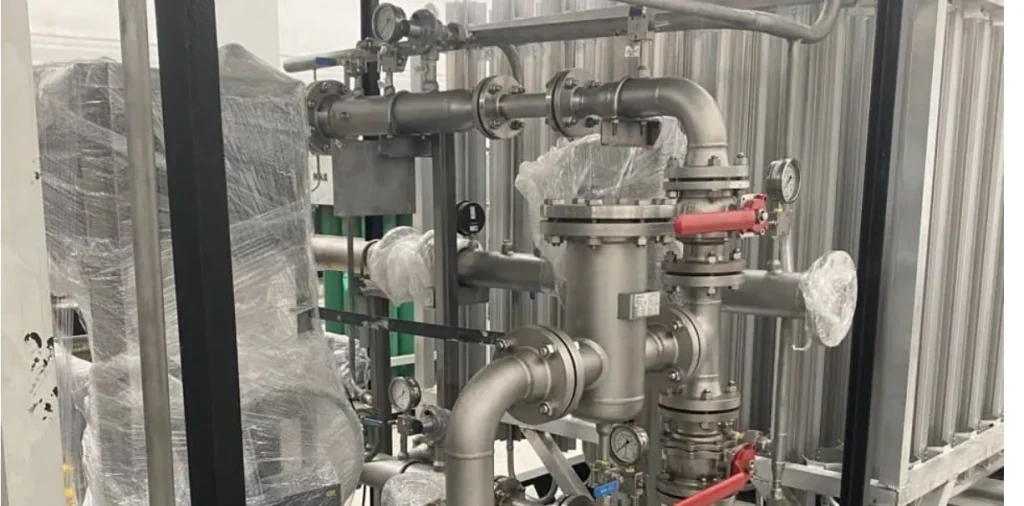
Process equipment on skid
LNG regasification application — piping, valves, and equipment layout.
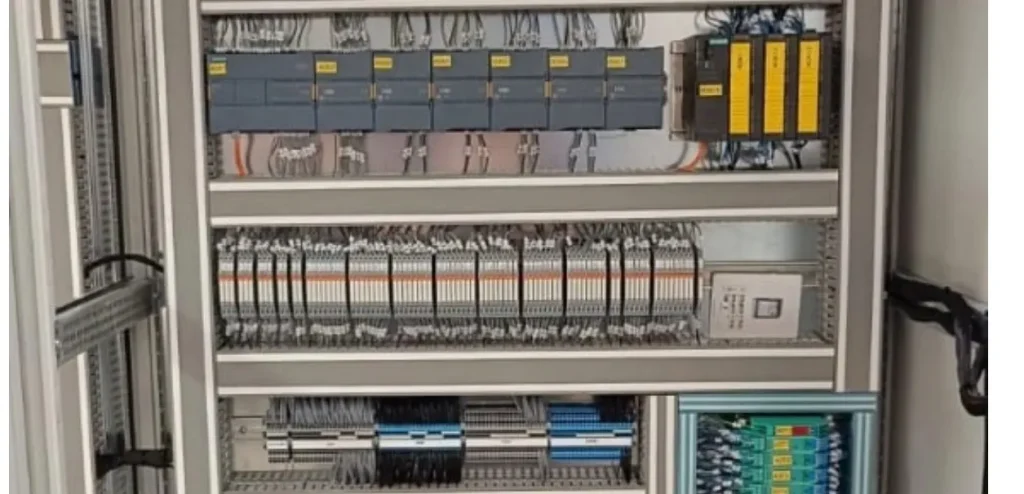
Plant monitoring and control
UESTCO automation — control and measurement infrastructure.
Component / stream
Why is it important?
How is it handled?
Corrosion and equipment inlet requirements.
Source-specific pre-treatment and outlet control.
Siloxanes and VOCs
Depending on the source, they may affect equipment and adsorbent performance.
Gas analysis, suitable removal, and a monitoring plan.
Risk of freezing, blockage, and performance loss under cryogenic conditions.
Upgrading, drying, and polishing suitable for liquefier inlet conditions.
Methane-containing off-gas
Product loss and methane released to the atmosphere should be monitored separately.
Recycle, recovery, or a suitable treatment approach.
BOG
Management of gas evaporated during storage and transfer.
Tank, filling, and gas management are designed together.
Example Configuration
Raw biogas:
Inlet methane content:
Approximately 60%
Target BioLNG
production:
Approximately 15 t/day
These values are not an operating guarantee or verified plant performance figures. Reference conditions, recovery, availability, and energy scope are clarified through project-specific calculations.
BioLNG Offtakers
Where the product will be sold, under which quality and certification requirements, and under what delivery conditions should be addressed at the beginning of the investment process.
Export and certified fuel markets
Sustainability, traceability, and greenhouse gas accounting are evaluated together with the target market rules and buyer acceptance requirements.
Heavy-duty vehicle fleets and filling stations
Fuel quality, station compatibility, delivery volume, and logistics conditions are defined.
Industrial users and off-grid consumption
Options are assessed for gas demand using suitable storage and regasification infrastructure.
Fuel value and carbon reduction value
In some markets, certified renewable fuel status may be reflected in the sales price. This is not automatically a second revenue stream; eligibility, traceability, and the share remaining with the producer must be verified in the offtake conditions.
Our Other LNG Systems

From Engineering to Site Integration
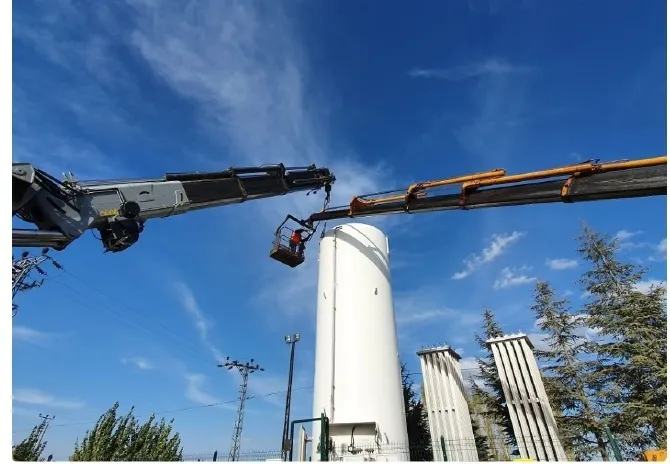
We address the gas process, cryogenic equipment, and automation within the same project framework. The direct UESTCO scope, technology partner responsibilities, and customer responsibilities are defined separately during the proposal stage.
Preliminary assessment
Gas quantity and composition, source continuity, existing electricity/heat use, and target product.
Process and plant engineering
Process flows, equipment interfaces, layout, utilities, and safety requirements.
Measurement and automation
Gas quality, operational monitoring, control systems, and required data recording infrastructure.
Implementation and operational support
Definition of procurement, site installation, commissioning, and service scope on a project-specific basis.
Questions to Answer Before Ordering
Gas and existing plant
Flow rate, composition, feedstock mix, digestate storage, and electricity/heat balance.
Product and buyer
Quality, certification, delivery point, offtake conditions, and logistics.
Technical and economic comparison
Investment, energy, maintenance, and transport costs under different operating scenarios.
Engineering and implementation
Scope, responsibilities, permits, schedule, manufacturing, and commissioning plan.
The investment model is also part of the study.
The plant owner may invest directly, or an investor structure based on gas offtake may be considered. Gas pricing, risk sharing, and revenue distribution are defined through contractual terms.
Frequently Asked Questions
Is biogas the same as BioLNG?
No. Biogas is a gas mixture containing methane and CO2.
Once cleaned and upgraded, it becomes biomethane; BioLNG is the liquefied form of biomethane.
What happens to the existing cogeneration engines?
All or part of the gas may be redirected to BioLNG production.
The use of the engines is determined together with the plant’s heat demand, energy balance, and operating scenario.
Can grid-quality biomethane be liquefied directly?
Not always. CO2, water, and other components must be checked against the inlet requirements of the selected liquefaction system; additional gas treatment may be required.
Is animal manure always the best feedstock?
No single feedstock is best for every project. Supply continuity, gas yield, collection distance, methane emissions, and digestate management should be evaluated together.
Does certification automatically generate additional revenue?
No. Target market requirements, chain traceability, buyer acceptance, and the contractually agreed value are what matter.
Certification systems such as ISCC EU may form part of this framework.
What information is required for the first discussion?
The plant location, approximate gas flow rate, and any available gas analysis are enough to get started.
Information on feedstock mix, existing electricity/heat use, and the target buyer improves the assessment.
Get In Touch With Us!
For more information and inquiries please fill the contact form below or contact us by email.
Other Uestco Solutions:

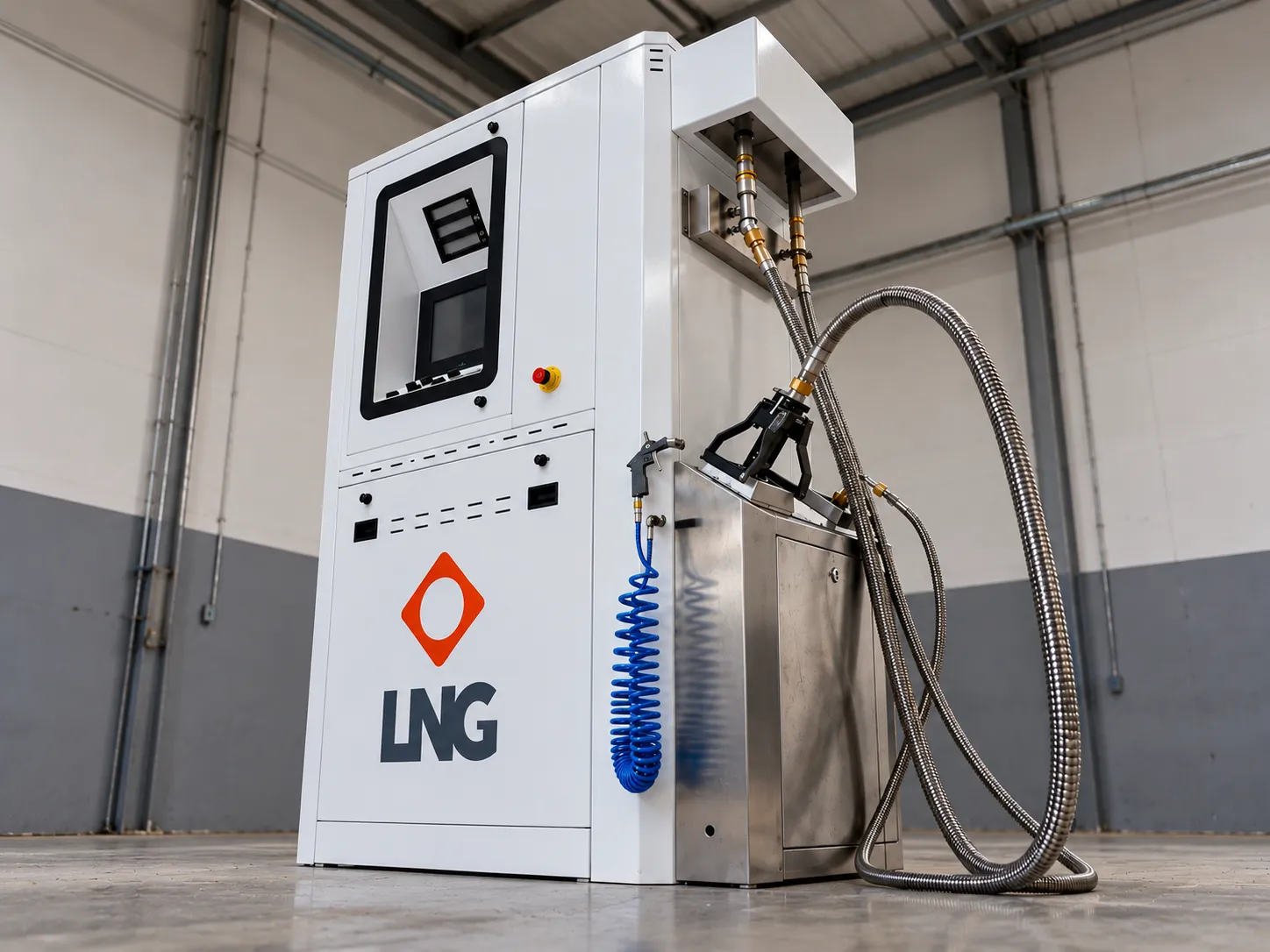
UESTCO’s New Generation LNG Dispenser is designed to make LNG vehicle refueling user-friendly and simple.


