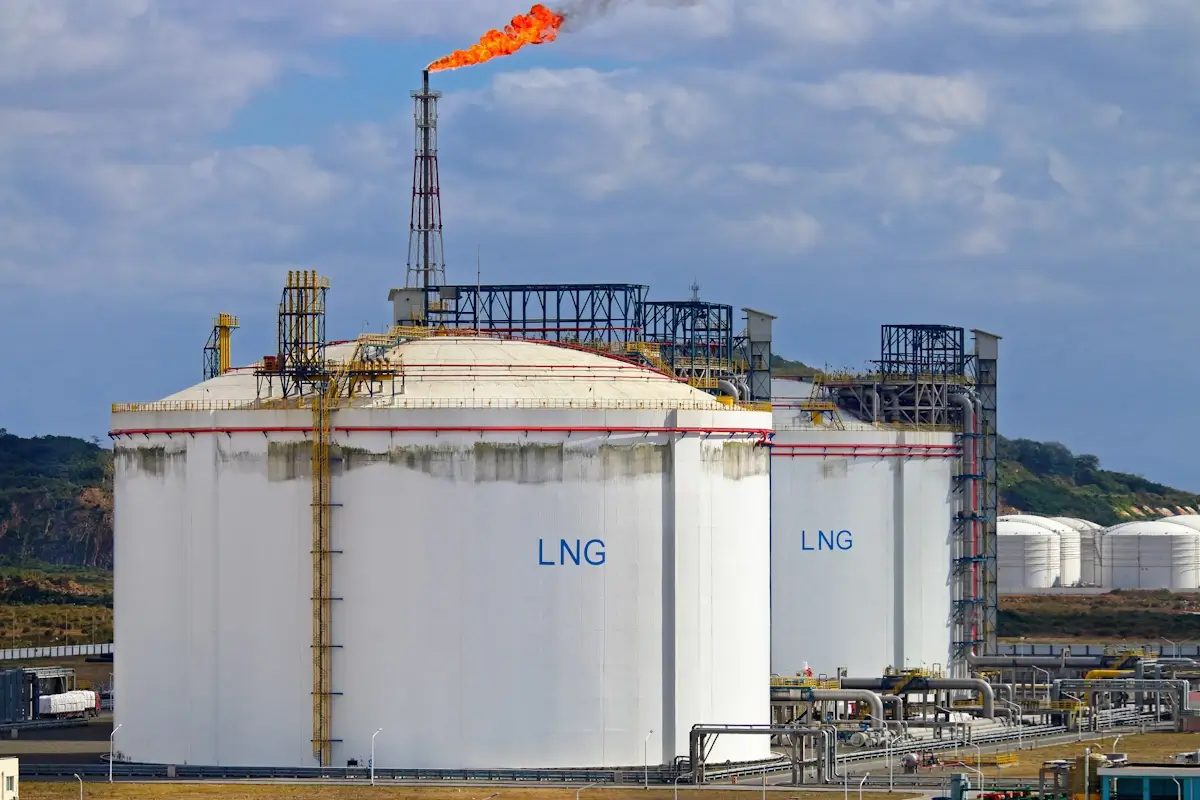
LNG is Natural Gas that has been cooled to -162°C at atmospheric pressure to transition it into a liquid phase. This cryogenic process reduces the gas’s volume by approximately 600 times, making storage and transportation much easier, safer, and more economical.
Why is Natural Gas Liquefied?
Many cities and industrial areas with high energy demand are geographically distant from natural gas reserves. These distances can make traditional pipeline solutions technically challenging or cost-ineffective. LNG technology makes energy independent of pipelines, allowing it to be transported globally with high efficiency via specialized ships and tankers.
Upon reaching its destination, LNG is either regasified in dedicated facilities and fed into the network for use, or it continues to be stored in its liquid form, depending on its intended application.
LNG Key Features:

Safe
It is a colorless, odorless, non-toxic, and non-corrosive substance.

Environmentally Friendly
It has significantly lower carbon emissions compared to other fossil fuels.

Stable
LNG is non-flammable in its liquid form, which increases storage safety.

What is LNG Used For?
LNG is a versatile fuel that enables global natural gas trade and ensures energy supply security. Besides providing energy to markets inaccessible by pipelines, it plays critical roles in various sectors of industry:
Electricity Generation (Power Plants)
LNG is a low-carbon, efficient fuel alternative for power generation facilities compared to coal and oil. In addition to helping lower emissions, it provides stability and operational flexibility to the electric grid by instantly activating when renewable energy sources like wind or solar are insufficient.
Transportation and Logistics
LNG is increasingly preferred in the transportation sector to reduce the carbon footprint. Especially in heavy-duty vehicles (trucks and lorries) and maritime transport, it offers a cleaner and more economical solution than diesel fuel, maintaining engine performance and facilitating compliance with emission standards.
Residential and Commercial Use
In areas without a natural gas network, LNG meets the heating and hot water needs of residences, hotels, or commercial buildings. The stored gas is also used as a reliable energy source for kitchen and cooking processes.